
Gastroscopy & Colonoscopy
Gastroscopy
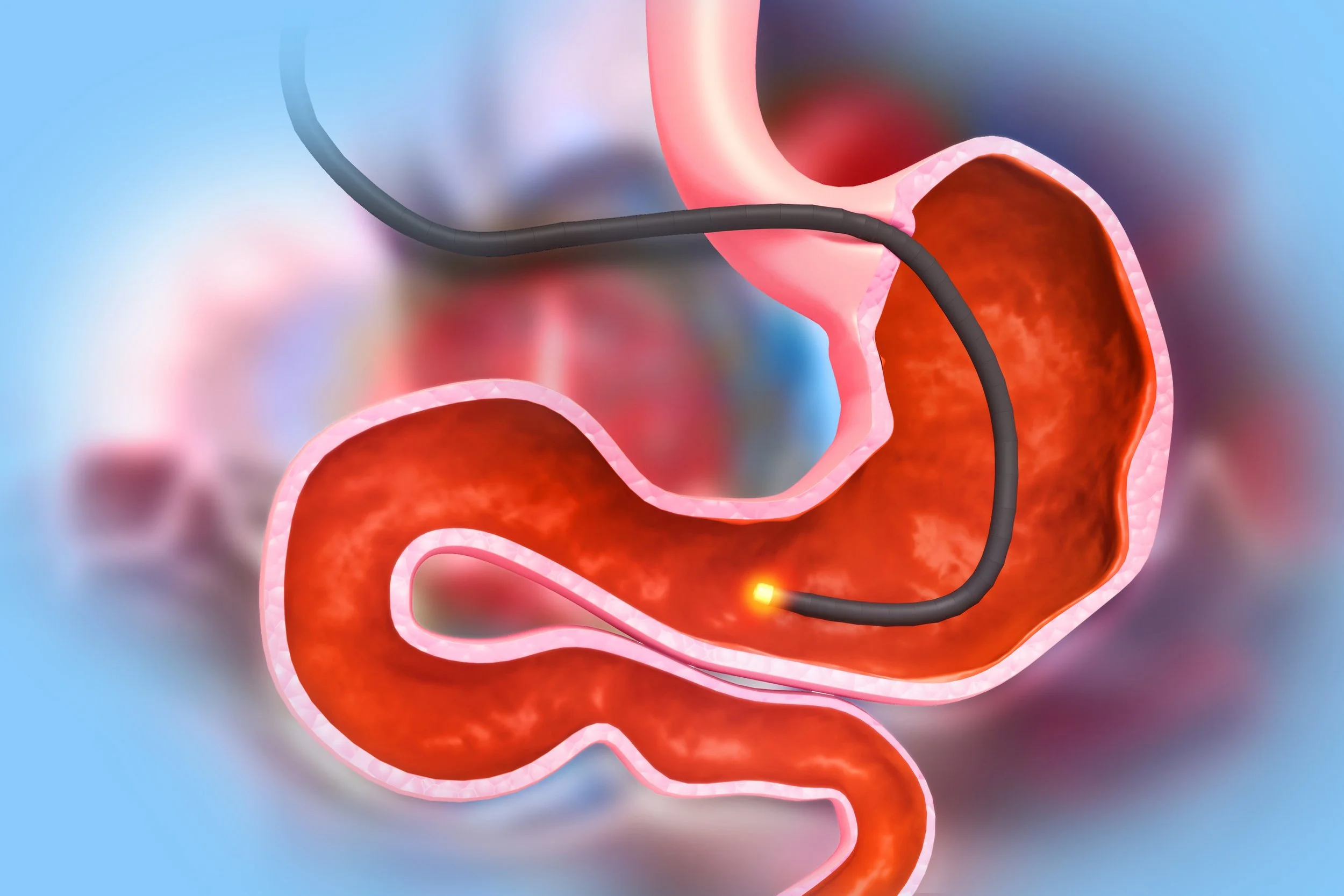
Dr Steen is a GESA certified specialist in Gastroscopy, a medical procedure using an endoscope, which is a long, thin, flexible tube with a ‘video camera’ at the tip. This tube is passed through the mouth into the oesophagus (food pipe), stomach and upper small intestine. It allows the doctor to inspect these areas and perform other procedures, such as biopsies.
Gastroscopy is usually done to investigate symptoms of indigestion, bloating, abdominal pain, nausea, vomiting or difficulty swallowing. It is also an important procedure for identifying causes of anaemia or bleeding and is more accurate than x-rays or CT scans for finding inflammation, ulcers or tumours in the upper gastrointestinal tract.
Biopsies (samples of tissue) can be taken to look for microscopic conditions such as infection, inflammation, food allergies or intolerances like coeliac disease or cancer.
Gastroscopy is also used to treat conditions of the upper gastrointestinal tract. Your doctor can pass small instruments through the endoscope to directly treat many abnormalities. This usually causes little or no discomfort. For example, your doctor might stretch a narrowed area, remove polyps (usually benign growths) or treat bleeding.
Colonoscopy
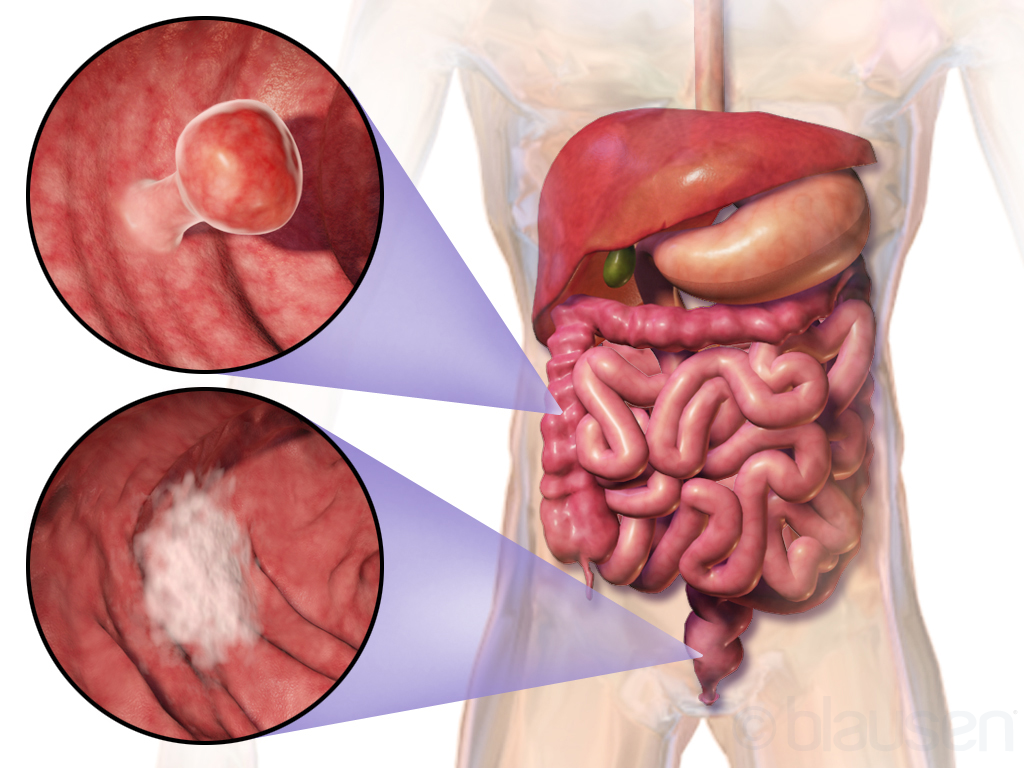
Dr Steen is a GESA certified specialist in colonoscopy, which is a medical procedure using a long, flexible tube with a camera (colonoscope) to examine the large intestine (colon) and rectum. It is a crucial procedure for bowel cancer screening, especially after positive FOBT (Faecal Occult Blood Test) or for high-risk individuals. Colonoscopies can also help diagnose pathologies that result in bleeding, abdominal pain or changes in bowel habits (diarrhoea or constipation).
As many pathologies of the colon and rectum are often too small, or microscopic, to be identified on traditional CT scan, colonoscopies are the gold standard for viewing the inner lining of the intestinal wall. Abnormalities such as inflammation or tumours are able to be biopsied (tissue sample) and pre-cancerous polyps are able to be removed under direct visualisation.
Often a colonoscopy can be done in conjunction with other procedures to evaluate and treat other symptoms of the rectum and anus (proctology) such as haemorrhoids, anal fissure and fistula and rectal prolapse.